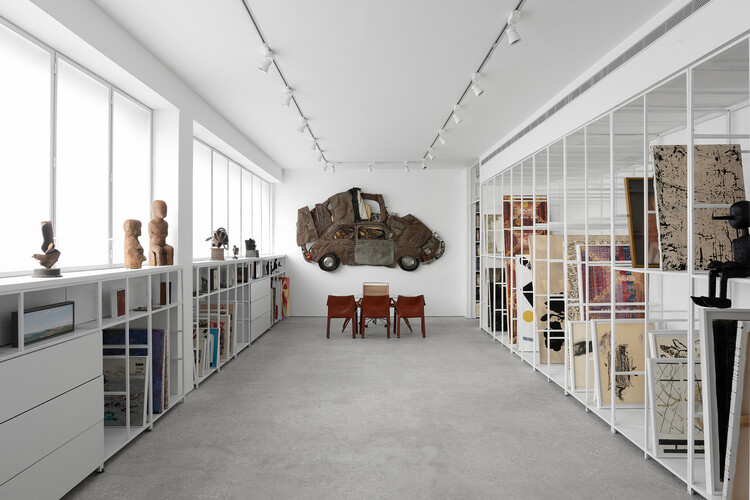
Polished Concrete Floors: Combining Durability and Modern Design
Polished concrete floors can make a room feel ordered, bright, and grounded without hiding the structure beneath our feet. The finish relies on controlled grinding, densifying, and polishing, so the slab becomes the finished surface. That approach suits homes, clinics, studios, shops, and work areas where hygiene, wear, and visual calm matter. With proper preparation, concrete gains a refined sheen while retaining the practical strength expected of a hard mineral floor.
A Practical Choice
Buildings ask a lot from flooring: grit at entries, wheeled loads, indoor sun, spills, and frequent cleaning. Properly specified polished concrete floors in Melbourne can meet those demands because the slab is mechanically refined, chemically densified, and sealed for service. The result is a smooth mineral surface with measured slip resistance, stable gloss, and dependable wear.
Built From the Slab
Polishing begins with the concrete already present, or with a new slab poured for that purpose. Diamond tooling removes weak surface paste and reveals the selected aggregate profile. Voids are grouted, cracks are assessed, and a hardener is applied to tighten the matrix. Each pass changes texture and reflectivity, so good workmanship depends on timing, pressure, tooling sequence, and slab condition.
Finish Options
Appearance is shaped by aggregate exposure and sheen level. A salt-and-pepper finish shows fine particles near the surface. Heavier grinding reveals larger stones and gives a terrazzo-like character. Satin gloss feels understated, while higher reflectivity suits showrooms and public interiors. Colour variation, cement tone, and stone size all influence the final look, so sample areas are valuable before full production.
Daily Performance
A properly polished floor handles ordinary abrasion better than raw concrete. Densification reduces surface dusting, while sealing helps limit liquid absorption. Kitchens, corridors, garages, and living areas benefit from that stable finish. Commercial spaces require a surface that can withstand trolleys, foot traffic, chairs, and regular cleaning. It still needs sensible care, yet the maintenance burden stays modest.
Lower Maintenance
Routine care is straightforward. Dry dust mopping removes grit before it acts like sandpaper under shoes. Neutral cleaners protect the sheen better than harsh chemicals. Spills should be lifted promptly, especially those of oil, wine, and acidic liquids. Furniture pads reduce drag marks. With these habits, the floor keeps its clarity without wax films, carpet extraction, or frequent replacement cycles.
Comfort and Hygiene
Smooth concrete supports cleaner rooms because fibres, dust mites, and pollen have fewer places to lodge. That helps households, clinics, salons, and food service areas maintain easier cleaning routines. Rugs can soften bedrooms or lounges where acoustic comfort matters. In new builds, underfloor heating may pair well with concrete, as the slab can store and release gentle warmth.
Cost Factors
Price is driven by more than square metres. Slab hardness, cracks, moisture, old adhesives, access, edging, exposure depth, and gloss level all affect labour. Repairs can improve appearance, although some marks remain part of the material history. A site assessment should identify risks early. Clear decisions before grinding begins keep budgets realistic and reduce avoidable delays.
Sustainability Value
Using the existing slab can reduce demand for extra coverings such as vinyl, tile, laminate, or carpet. Less added material may mean fewer adhesives and lower waste during fit-out. Reflective surfaces can lift daylight levels in darker rooms. Longevity also matters. A floor that serves for many years, with basic care, often carries a lighter replacement burden.
Design Versatility
Polished concrete adapts without trying to dominate the room. It can sit quietly beside timber joinery, stainless steel, stone benches, painted plaster, or glass partitions. Soft furnishings bring warmth, while the floor keeps visual order. In retail settings, the finish presents merchandise cleanly. In homes, it supports open planning, easy movement, and a calm base for changing interiors.
Planning the Job
Strong outcomes start with inspection. The contractor should check flatness, curing, porosity, moisture, contamination, cracks, and the presence of previous coatings. Exposure depth and gloss need to be agreed upon before heavy grinding starts. Sequencing also matters. Painting, cabinetry, glazing, and final cleaning should be coordinated so the surface is protected during fit-out and handed over in good condition.
Conclusion
Polished concrete floors offer a disciplined balance of strength, hygiene, and design control. They work well in rooms that need clean lines, reliable wear, and simple care rather than fragile finishes. The best results come from honest slab assessment, precise grinding, suitable densifiers, and consistent maintenance. For homes, workplaces, and public interiors, polished concrete gives a durable surface with measured beauty and long service life.

